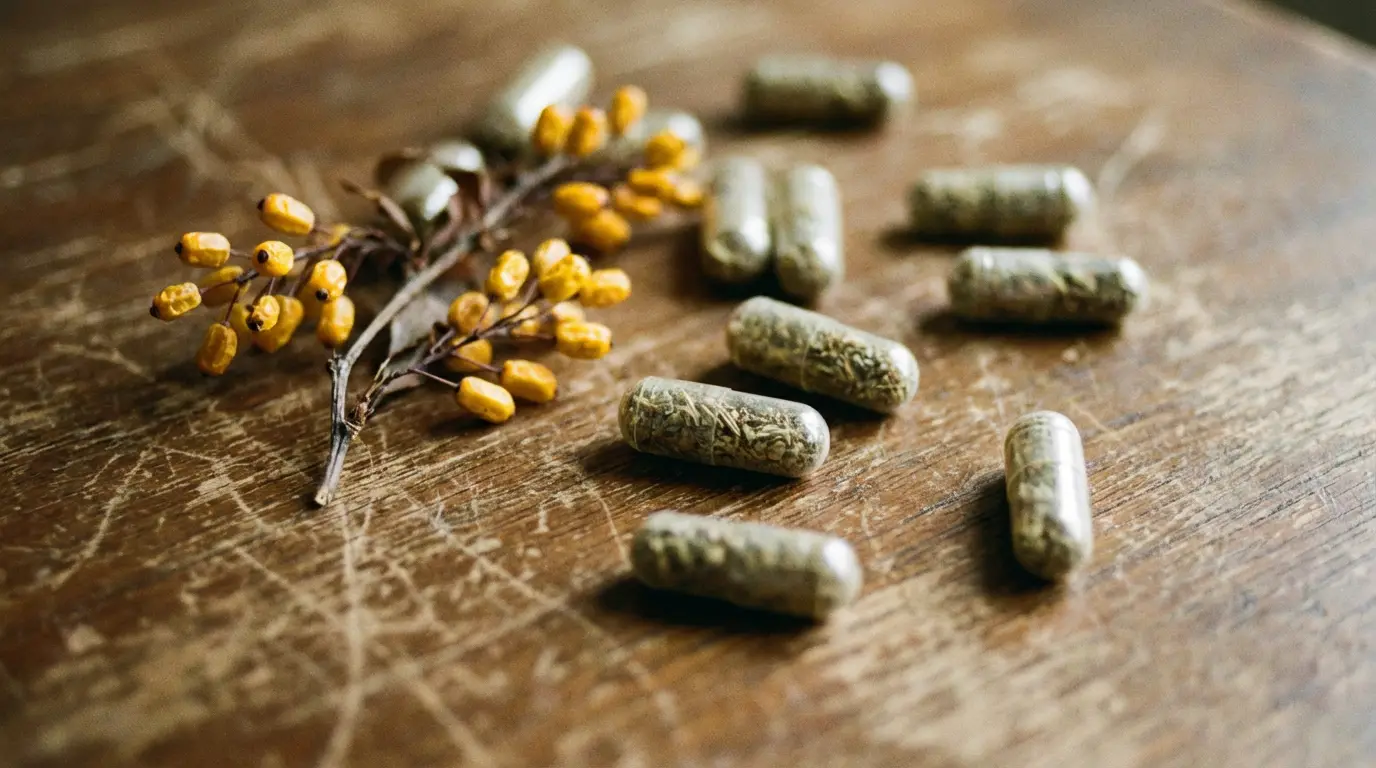
Berberine is having a moment. Social media has called it "nature's Ozempic" — an exaggeration, but one rooted in surprisingly robust science. While most supplements have thin clinical evidence, berberine has been studied in over 2,800 clinical trials and has demonstrated effects on blood sugar regulation, weight management, cardiovascular health, and gut microbiome composition that are genuinely impressive by research standards.
→ Already decided? read our in-depth Citrus Burn analysis →
This guide covers what berberine actually is, what the science shows, appropriate dosing, and who should (and shouldn't) consider it.
What Is Berberine?
Berberine is an isoquinoline alkaloid found in several plants including barberry (Berberis vulgaris), goldenseal, Oregon grape, and tree turmeric. It's been used in traditional Chinese and Ayurvedic medicine for centuries — primarily for gastrointestinal infections and metabolic conditions.
Reader Feedback
"This article gave me more actionable info than 6 months of scrolling TikTok. The part about cortisol and stress eating finally explained why my diet kept failing. Sharing with my sister."
"40 and metabolically confused is my new life description. This article actually makes sense of it — thank you. Bookmarked and sharing with my trainer."
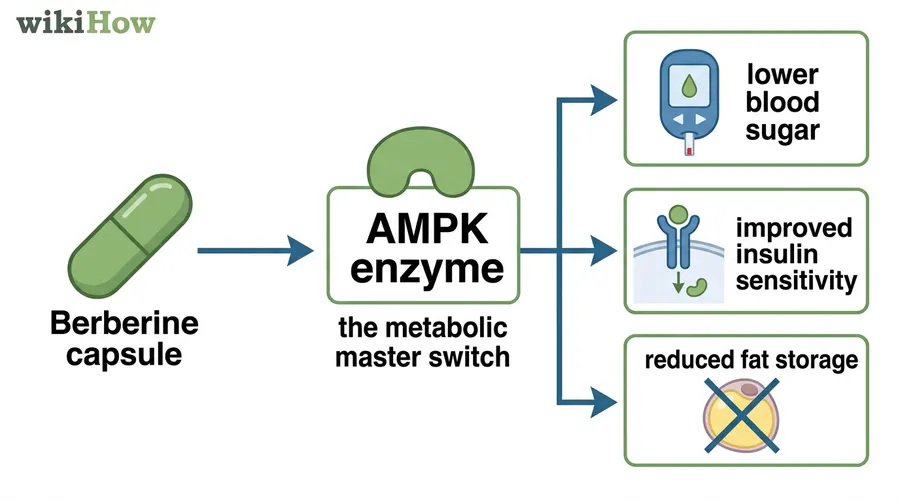
Modern pharmacological research has identified berberine's primary mechanism: activation of AMPK (adenosine monophosphate-activated protein kinase). AMPK is sometimes called the body's "master metabolic switch" — it's the same enzyme activated by exercise and caloric restriction. When AMPK is activated, it triggers a cascade of metabolic improvements: increased glucose uptake, enhanced fat oxidation, reduced fat synthesis, and improved mitochondrial function.
Want the full picture? see real Citrus Burn user results before deciding.
Berberine for Blood Sugar and Type 2 Diabetes
The blood sugar evidence for berberine is the strongest and most consistent in the literature. A landmark 2008 study published in Metabolism compared berberine (500mg three times daily) to metformin (500mg three times daily) in 36 adults with type 2 diabetes. The results:
- Berberine reduced fasting blood glucose by 20% (vs 23% for metformin)
- HbA1c decreased by 1.3 percentage points (vs 1.4 for metformin)
- Post-meal blood glucose decreased by 21.1% (vs 22.8% for metformin)
The researchers concluded that berberine's effectiveness was "comparable to that of metformin." A 2019 meta-analysis in Diabetes, Obesity and Metabolism analyzing 46 randomized controlled trials confirmed that berberine significantly reduces fasting blood glucose, HbA1c, and post-meal glucose with a safety profile similar to conventional diabetes medications.
Berberine for Weight Loss and Metabolism
AMPK activation by berberine has direct implications for weight management. When AMPK is active, it:
- Inhibits fat synthesis (fatty acid synthase downregulation)
- Enhances fat oxidation (increased mitochondrial fatty acid transport)
- Reduces gluconeogenesis (less glucose production from protein)
- Improves insulin sensitivity (enhanced glucose uptake in muscle cells)
A meta-analysis of 12 randomized controlled trials published in Obesity Reviews found berberine supplementation produced:
- Average weight loss of 3.6 kg (7.9 lbs) over 12–24 weeks
- Reduction in waist circumference of 2.3 cm (0.9 inches)
- Significant reductions in triglycerides and LDL cholesterol
These effects were observed alongside standard care, suggesting additive benefits rather than replacement of lifestyle interventions. Berberine is an ingredient in thermogenic formulas like Citrus Burn, where it works synergistically with other compounds targeting metabolic resistance. Our detailed investigation of Citrus Burn covers how berberine's role in the formula compares to standalone supplementation.
Berberine and Cholesterol
Berberine's cardiovascular effects are among its most well-documented benefits. It significantly reduces LDL cholesterol through a mechanism distinct from statins — it increases the number of LDL receptors on liver cells rather than inhibiting cholesterol synthesis. A meta-analysis in the American Journal of Cardiology found berberine reduced LDL by an average of 22 mg/dL, triglycerides by 50 mg/dL, and increased HDL by 2.05 mg/dL.
For individuals who cannot tolerate statins (which cause muscle pain in 5–10% of users), berberine represents a clinically supported alternative that has been used successfully in several published case series.
Berberine and the Gut Microbiome
Emerging research in Nature Communications has revealed that many of berberine's metabolic effects may be mediated through the gut microbiome. Berberine is poorly absorbed in the upper GI tract (~5% bioavailability), meaning it reaches the colon largely intact where it selectively alters gut bacteria populations.
Berberine consistently increases populations of Akkermansia muciniphila — a keystone species associated with lean body composition, improved gut barrier function, and better metabolic outcomes — while reducing Firmicutes species associated with greater caloric extraction from food. This gut microbiome modulation may partially explain why berberine's clinical effects often exceed what its poor bioavailability would predict.
Proper Dosage
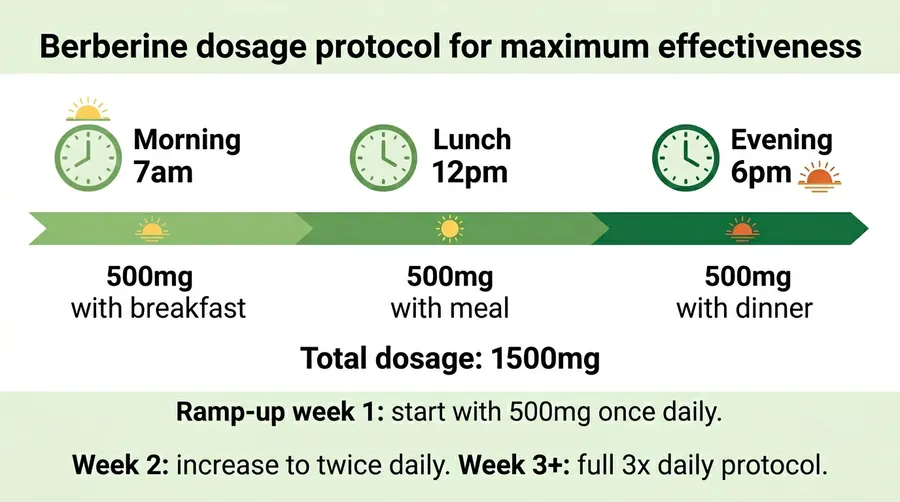
The most studied dose is 500mg three times daily (1,500mg total) taken with meals. This dosing schedule maintains more stable blood levels than a single large dose and reduces gastrointestinal side effects.
For weight management specifically, 500mg twice daily (1,000mg total) with two largest meals has shown meaningful effects with better tolerability. Some practitioners recommend starting at 500mg once daily for two weeks before escalating to avoid gastrointestinal adjustment symptoms.
Safety and Side Effects
Berberine is generally well-tolerated. The most common side effects are gastrointestinal: nausea, diarrhea, abdominal pain, and constipation — usually transient and dose-dependent. Taking berberine with food significantly reduces GI side effects.
Important interactions and contraindications:
- Berberine potentiates the blood sugar-lowering effects of diabetes medications (metformin, insulin, sulfonylureas) — blood glucose monitoring is essential when combining
- Berberine may interact with certain antibiotics and anticoagulants
- Not recommended during pregnancy or breastfeeding
- Consult your physician before use if you take any prescription medications
📋 Want our complete analysis?
view the 2026 Citrus Burn verdict →"The thermogenesis section was genuinely eye-opening. I always thought 'metabolism boost' was marketing fluff. The actual science is more interesting. Great breakdown."
Who Should Consider Berberine
Berberine may be appropriate for:
- Adults with prediabetes or elevated fasting blood sugar seeking non-pharmaceutical intervention
- Those with high LDL or triglycerides who cannot tolerate or prefer to avoid statins
- Individuals with metabolic syndrome seeking comprehensive cardiovascular and metabolic support
- Adults over 40 experiencing metabolic resistance to weight loss efforts — berberine is one of several ingredients in Citrus Burn, a thermogenic supplement we reviewed in detail
Berberine also appears in ProstaVive, a prostate health supplement where it contributes to hormonal metabolism support. Always consult a healthcare provider before starting berberine, particularly if you have any existing medical conditions or take prescription medications.