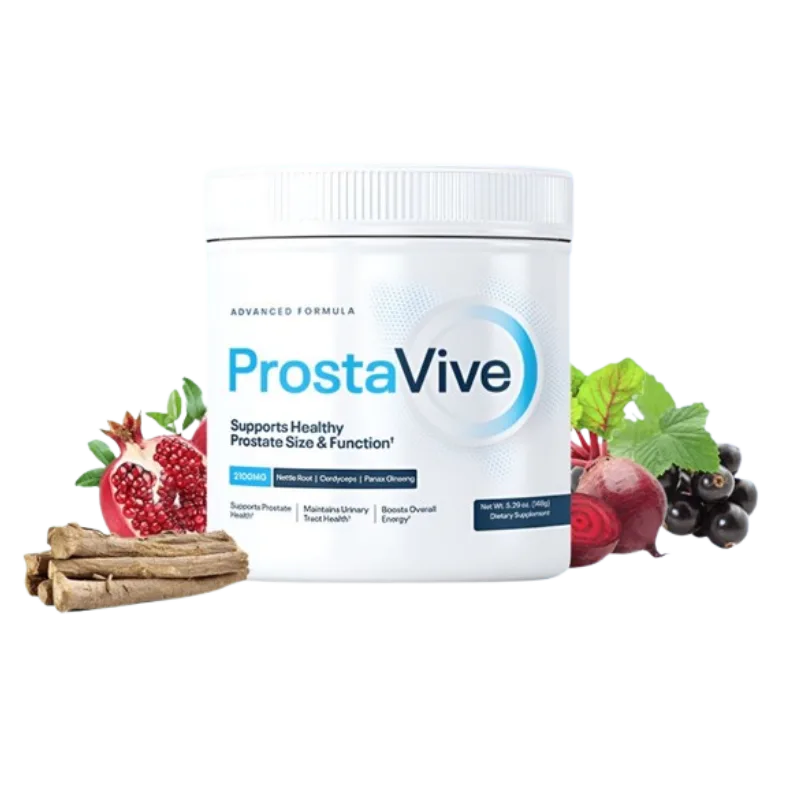
Most prostate supplements on the market are some variation of the same formula: saw palmetto, zinc, maybe some lycopene. They address symptoms but rarely the underlying mechanisms driving those symptoms as men age. ProstaVive takes a different approach — and the ingredient list reflects that.
→ Already decided? our complete ProstaVive breakdown →
This is a complete breakdown of every compound in the ProstaVive formula: what it is, what the peer-reviewed research shows it does for prostate health, and why it was included at the specific dose used.
What Makes ProstaVive Different from Standard Prostate Supplements
The standard prostate supplement focuses on one mechanism: DHT inhibition through saw palmetto or beta-sitosterol. DHT (dihydrotestosterone) promotes prostate cell growth, so blocking it is a reasonable approach — but it is only one piece of the picture.
Reader Feedback
"Did my research before buying. The ingredient list is solid — tongkat ali, boron, nettle root — these aren't just filler herbs. Noticeable improvement in urgency by week 3. Recommend."
"The peace of mind alone is worth it. Energy levels came back — didn't even expect that. Wife noticed before I did, honestly. Shipping was fast and the powder mixes well."
ProstaVive's formula addresses four distinct mechanisms simultaneously: prostate blood flow support, hormonal balance (testosterone-to-estrogen ratio), inflammation reduction, and cellular nutrition. This is why it produces different results than single-mechanism products.
1. Tongkat Ali (Eurycoma Longifolia) — Hormonal Foundation
Want the full picture? the full ProstaVive deep-dive before deciding.
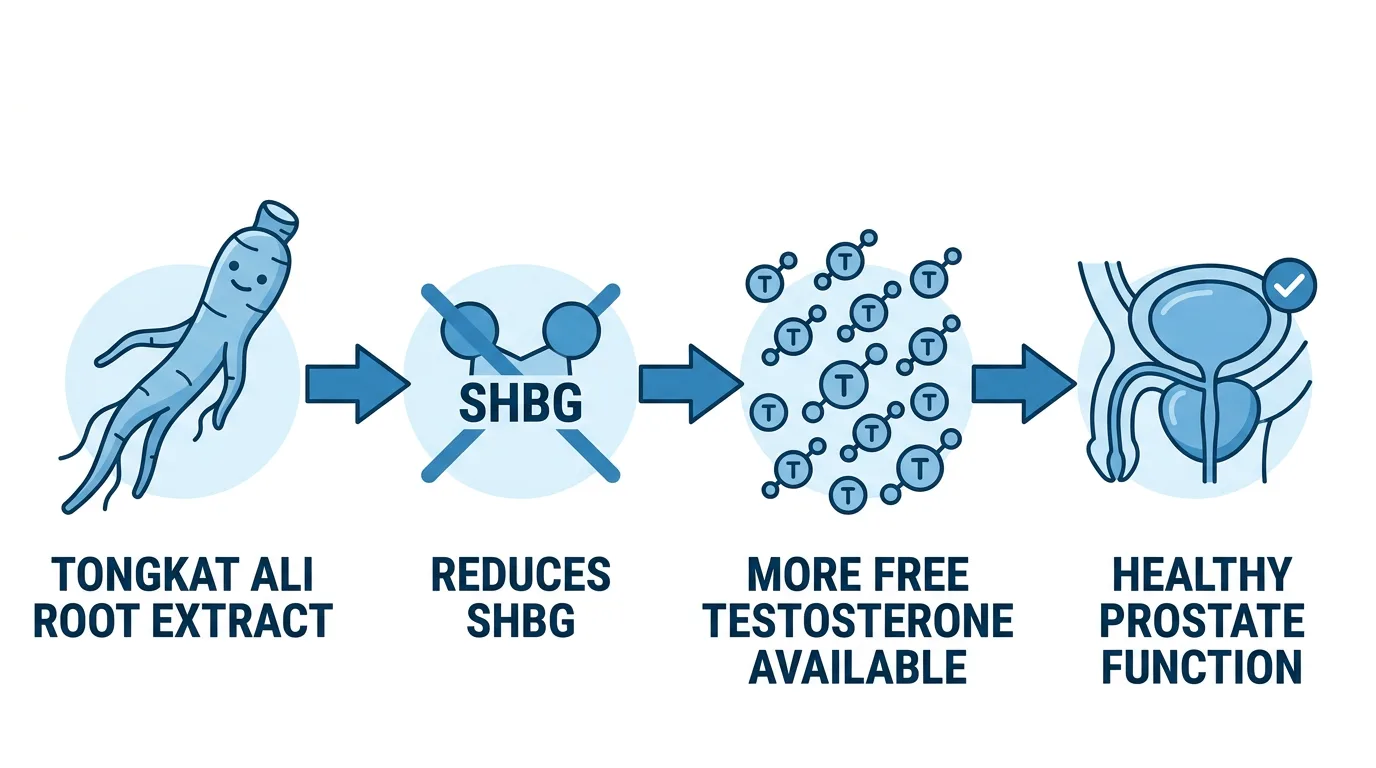
Tongkat Ali — also called Malaysian ginseng — is one of the most extensively studied botanical compounds for male hormonal health. Its primary mechanism involves reducing sex hormone binding globulin (SHBG), which is a protein that binds testosterone and renders it biologically inactive.
As men age, SHBG levels tend to rise, effectively reducing the amount of free, active testosterone available. By moderating SHBG, Tongkat Ali supports healthier free testosterone levels — which matters for prostate health because testosterone-to-estrogen ratio imbalance (specifically rising estrogen relative to testosterone) is associated with benign prostatic hyperplasia (BPH).
Research: A randomized double-blind trial published in Phytotherapy Research found that 200mg daily Tongkat Ali supplementation for 4 weeks significantly increased free testosterone and reduced SHBG compared to placebo. A 2014 study in the Journal of the International Society of Sports Nutrition confirmed these findings across a broader male population aged 57-72.
2. Ashwagandha (KSM-66) — Cortisol and Hormonal Stress
Ashwagandha's role in ProstaVive is often underappreciated. Chronic stress elevates cortisol — and elevated cortisol directly suppresses testosterone production through the HPA-HPG axis. This creates a hormonal environment that worsens prostate inflammation and accelerates BPH progression.
Ashwagandha, specifically the KSM-66 extract used in clinical trials, has well-documented cortisol-lowering effects. A Journal of the International Society of Sports Nutrition study found KSM-66 reduced cortisol by 27% over 60 days, with corresponding improvements in testosterone levels.
For men whose prostate issues are compounded by chronic stress and sleep disruption — which is most men over 50 in modern environments — ashwagandha addresses a root hormonal driver that saw palmetto simply does not touch.
3. Boron — The Overlooked Mineral
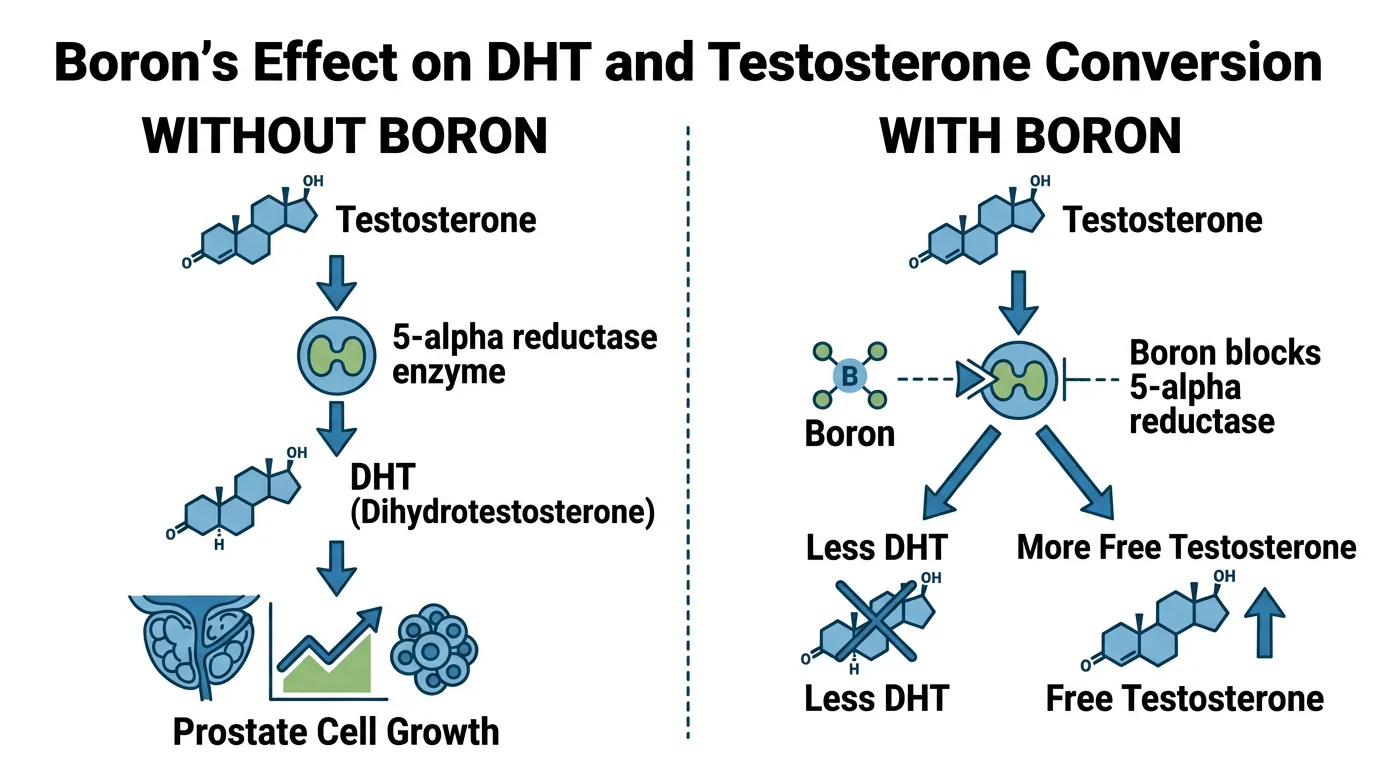
Boron is one of the most underappreciated micronutrients in men's health. It has two mechanisms relevant to prostate health:
- DHT reduction: Boron inhibits the enzyme 5-alpha reductase, which converts testosterone to DHT. DHT is the primary driver of prostate cell proliferation in BPH.
- Estradiol modulation: Boron also reduces the conversion of testosterone to estradiol (a form of estrogen). Elevated estradiol relative to testosterone is associated with accelerated prostate growth.
A study in Nutrition Research found that boron supplementation at 10mg daily for four weeks significantly reduced PSA levels (a marker of prostate inflammation and cell activity) and reduced estradiol while maintaining testosterone levels.
4. Panax Ginseng — Vascular Support
Panax ginseng's ginsenosides have well-documented effects on nitric oxide production — supporting the vascular health that prostate tissue requires for proper function. Healthy blood flow in and around the prostate contributes to cellular metabolism and waste clearance in the gland.
The 2023 Fukushima Medical University study referenced in ProstaVive's positioning specifically examined how blood flow support in prostatic tissue correlates with reduced BPH symptoms — Panax ginseng's vascular mechanism is directly relevant here.
5. Nettle Root (Urtica Dioica) — BPH Symptom Support
Nettle root has some of the most well-established clinical evidence in the formula for direct BPH symptom relief. It works through multiple mechanisms: inhibiting SHBG binding to prostate receptors, reducing prostate cell proliferation, and providing anti-inflammatory support specific to prostatic tissue.
Research: A double-blind trial in Phytomedicine found that nettle root extract significantly improved lower urinary tract symptoms (LUTS) scores compared to placebo, with effects comparable to some pharmaceutical interventions. A six-month trial confirmed these findings and found sustained benefit with no serious adverse effects.
6. Fenugreek — Hormonal Signaling
Fenugreek contains furostanolic saponins that inhibit enzymes responsible for testosterone conversion to DHT and estrogen. This dual inhibition — working on both conversion pathways — makes fenugreek particularly useful in multi-ingredient formulas like ProstaVive where several ingredients address overlapping mechanisms.
A Phytotherapy Research study found fenugreek extract maintained free and total testosterone levels in aging men while reducing the hormonal byproducts associated with prostate enlargement.
7. Maca Root — Energy and Libido
Maca (Lepidium meyenii) addresses a common secondary concern men have alongside prostate health: reduced libido and energy as testosterone declines with age. Maca works through glucosinolates and macamides — compounds that support sexual health independently of testosterone, through hypothalamic pathways. This makes it complementary rather than redundant to Tongkat Ali's hormonal mechanism.
8. Zinc, Magnesium, and Vitamin D — The Foundation Nutrients
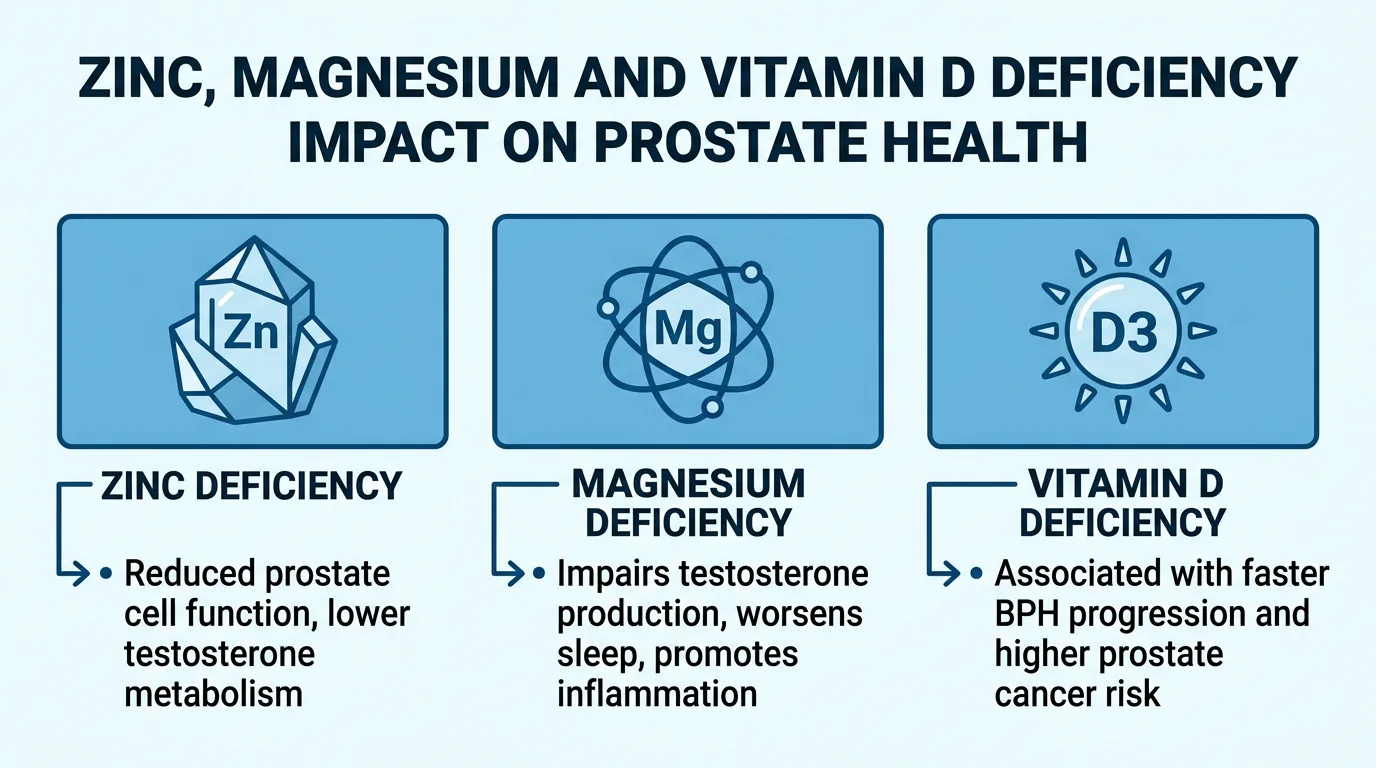
These three micronutrients cover the most commonly deficient nutrients in adult men — each with well-documented roles in prostate function:
- Zinc: The prostate accumulates more zinc than any other organ in the body. Zinc is required for prostate cell function, testosterone metabolism, and immune defense in prostatic tissue. Low zinc is consistently associated with worse prostate health outcomes in observational studies.
- Magnesium: Magnesium deficiency (affecting an estimated 50% of US adults) impairs testosterone production, worsens sleep quality (which further suppresses testosterone), and promotes inflammation. Magnesium glycinate — the most bioavailable form — is specifically included.
- Vitamin D: Vitamin D receptors are expressed throughout prostate tissue. Multiple epidemiological studies have found associations between low vitamin D levels and higher prostate cancer risk, as well as more rapid BPH progression. Correcting deficiency is a low-risk, potentially high-benefit intervention.
📋 Want our complete analysis?
check our full ProstaVive review →"Took about 3 weeks to feel anything but by week 5 the nighttime trips cut in half. Still waking up once but that's a huge improvement from 3-4 times. Will reorder."
9. Artichoke Extract — Antioxidant Protection
Artichoke extract provides cynarin and chlorogenic acid — powerful antioxidants that protect prostatic cells from oxidative damage. Oxidative stress accelerates prostate tissue changes associated with BPH and prostatitis. Artichoke also supports liver function, which is relevant because the liver processes the sex hormone metabolites that, when impaired, contribute to estrogen accumulation.
For a complete review including results data and pricing, see our full ProstaVive review. If you are interested in how cortisol specifically affects prostate health, see our guide on cortisol and hormonal imbalance.
ProstaVive — 180-Day Money-Back Guarantee
GMP-certified, FDA-registered US facility. No prescription required.
Get ProstaVive at the Official Price →